
Optimizing effluent and sludge treatment
Optimal effluent management
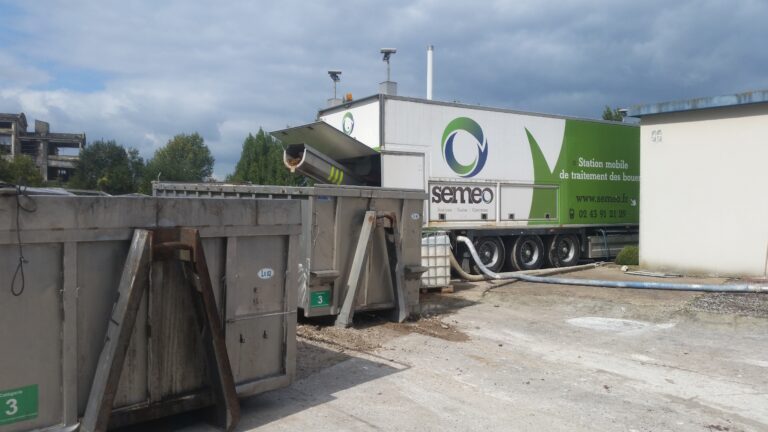
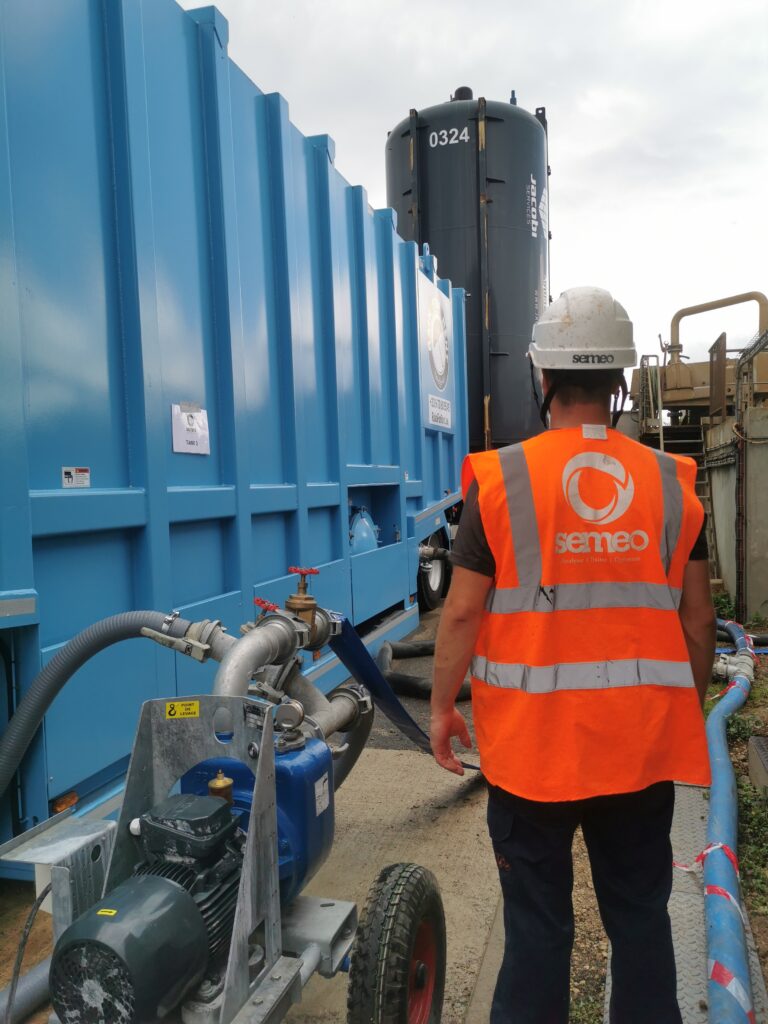
Following testing and treatment, the final stage of the SEMEO process aims to optimize, improve, and maximize the treatment of effluent or sludge. SEMEO supports each client through every step of the effluent management process. Our teams provide effective solutions and are committed to reducing the estimated volume of waste.

The strength of a partner network
Before taking action, once it has analyzed the situation, the environment, and the objectives, SEMEO commits to its industrial clients and local authorities to generate a specific volume of waste. Through this commitment, SEMEO mobilizes all the necessary technical and human resources to optimize the amount of waste generated and ensure that materials are truly recycled.
SEMEO selects each of its partners based on economic and environmental criteria, including pricing, geographic proximity, and compliance with regulations and procedures. By leveraging a robust network of partners, SEMEO is able to recommend the best options for the management of wastewater treatment residues or sludge: logistics, transportation, trading, and recovery channels and facilities.
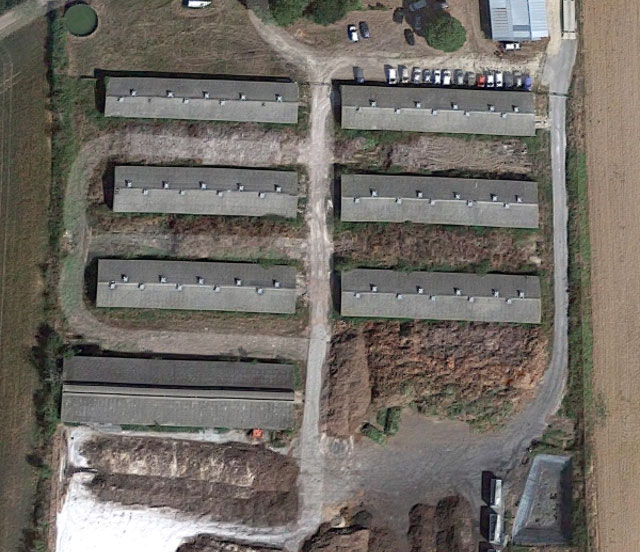
In line with environmental considerations, SEMEO ensures the full recovery of treated wastewater or treated sludge to meet economic cost-reduction goals. Through its VALORLISE composting platform, SEMEO already offers sludge recovery solutions.
Wastewater recycling
Methods for utilizing dewatered sludge:
- Agricultural reuse
- Biomass reuse (energy)
- Material reuse (construction and public works)
- Energy reuse
Wastewater recovery methods:
- Flow Management (Accounting for the Load at the Inlet of the Treatment Plant)La gestion du flux (prise en compte de la charge apportée en tête de station)
- RE-USE
- Recycling for reuse in processes (filtration, settling, flotation)